Dracula
RiR #18, Season 06, Episode 02, September 26, 2018
Our second take on the man in black
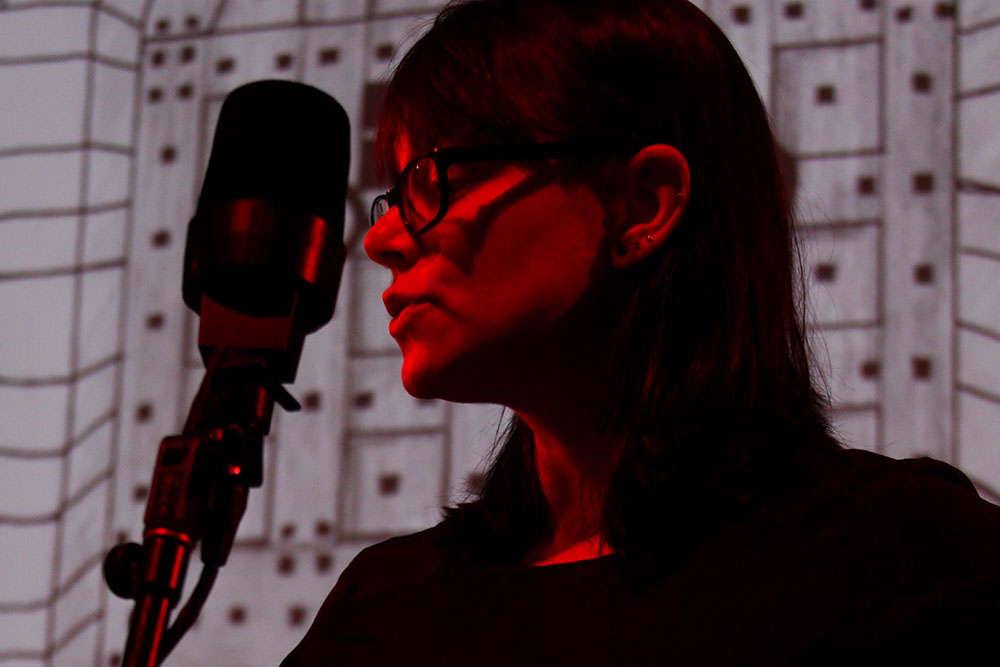
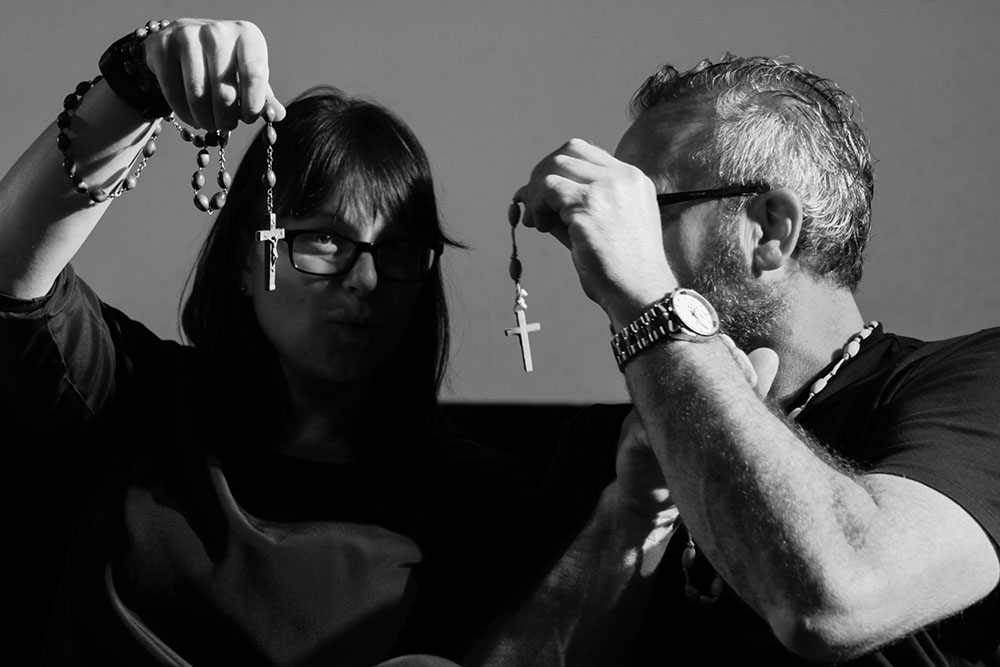
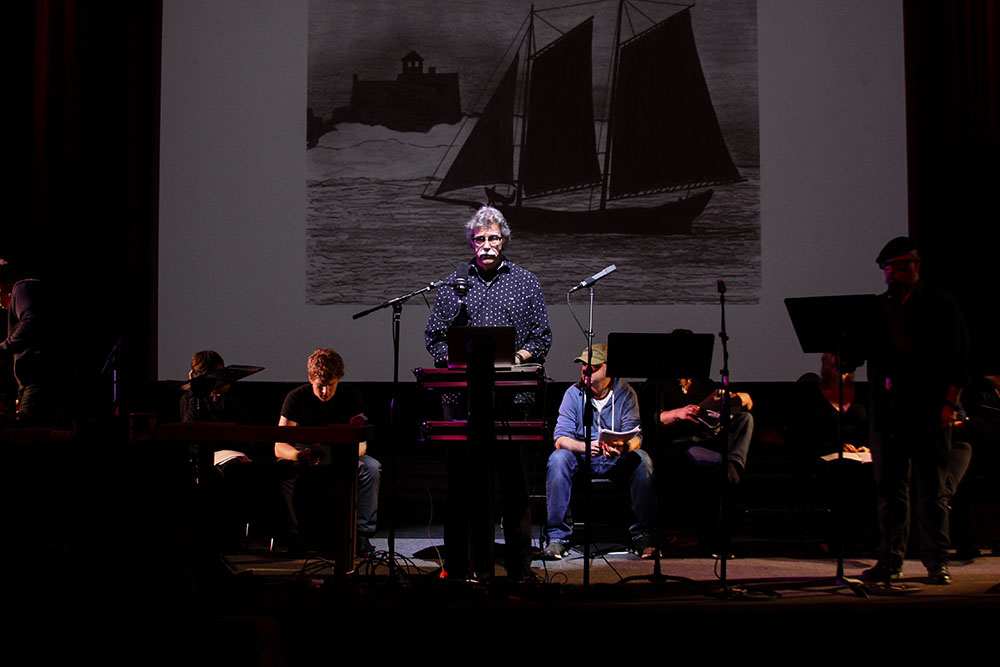
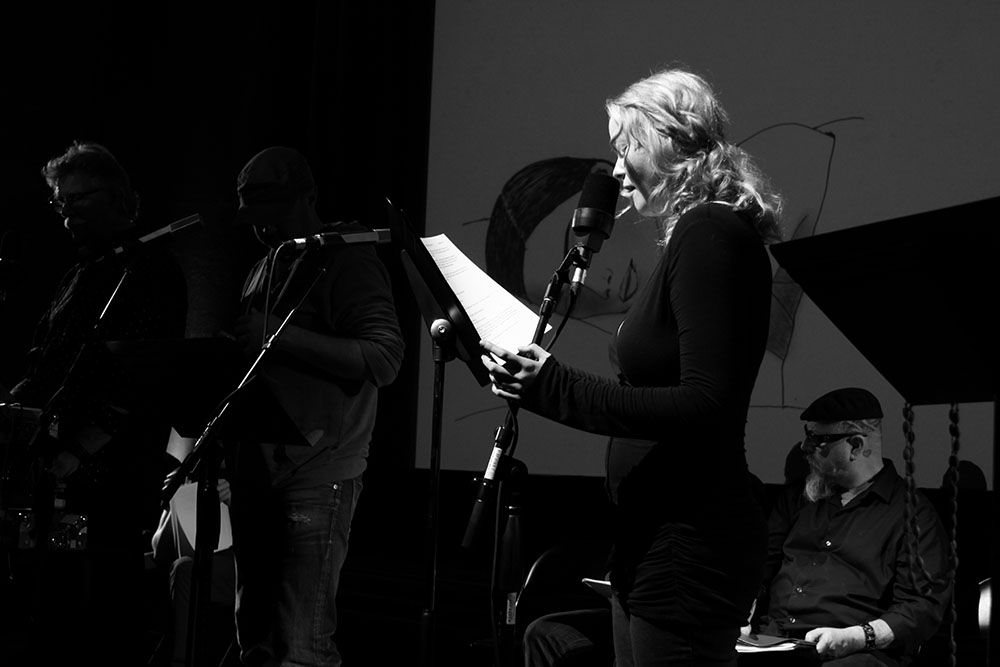
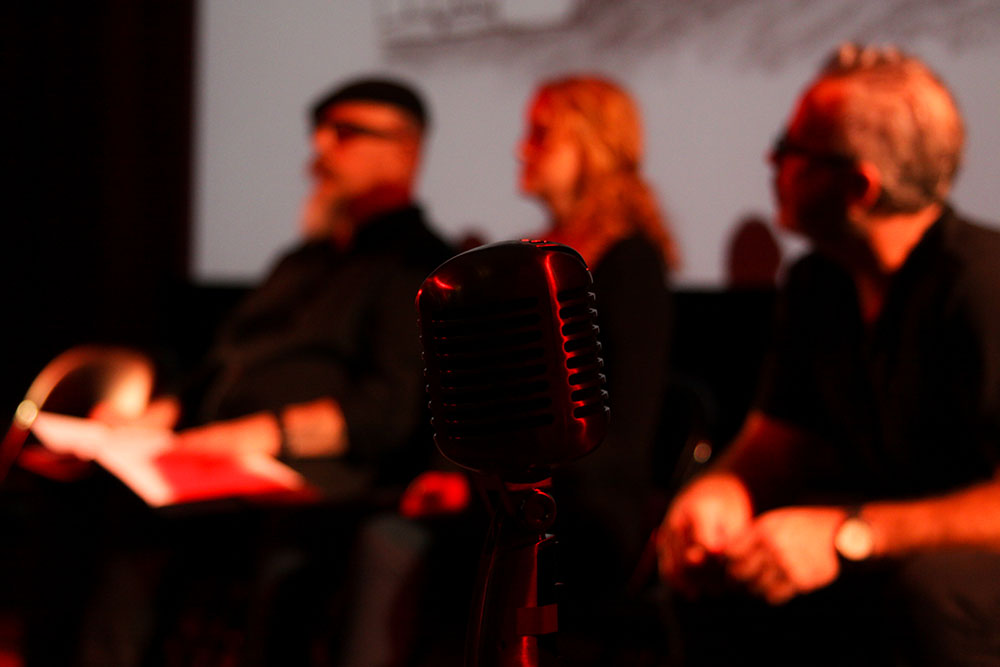
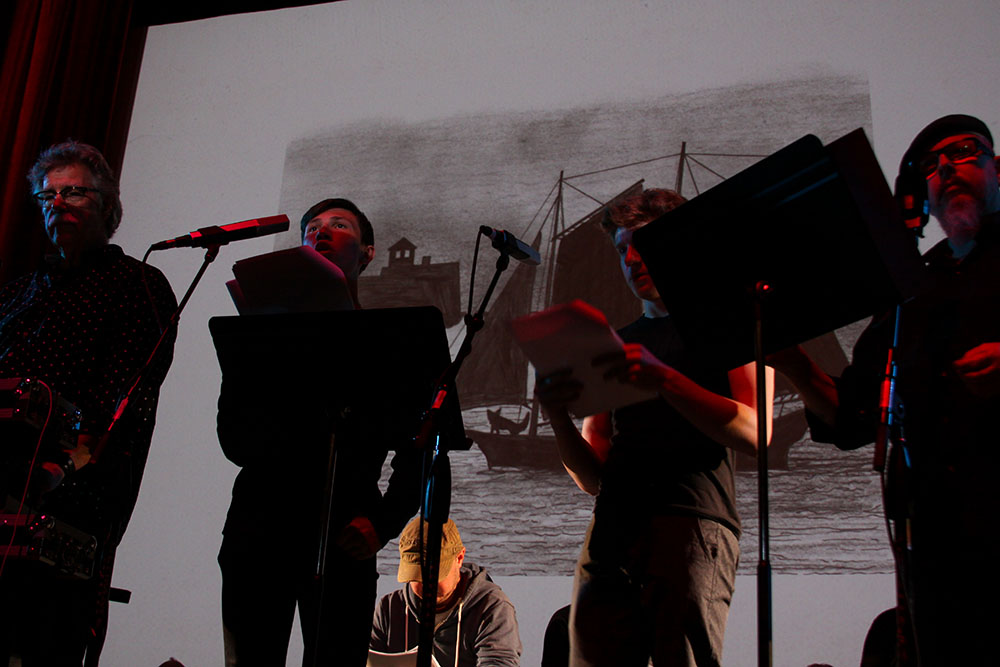
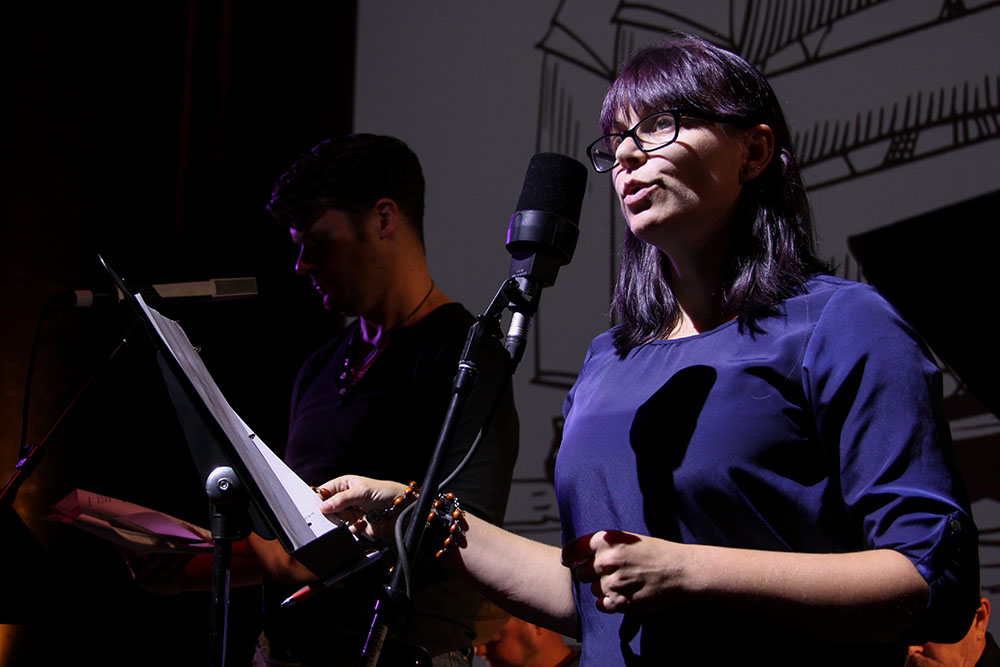
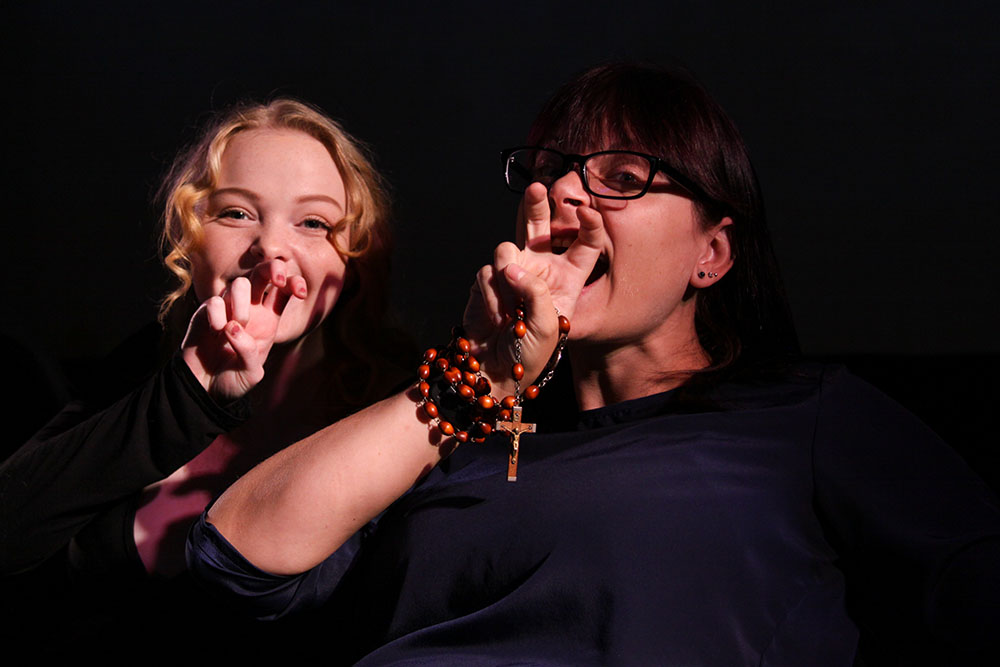
Re-Imagined Radio presents "Dracula" performed by Metropolitan Performing Arts and other community volunteers at Kiggins Theatre, Vancouver, Washington. For this performance we have adapted the 1938 Mercury Theatre on the Air performance, which itself was adapted from Bram Stoker's 1897 novel.
Download Links
Download episode to your
device→
Download episode media
kit→
Download episode script
The "Dracula (2018)" script is currenly not available. Apologies.
Background
The blood. Oh, the blood!
Dracula, the legendary novel by Bram Stoker, first published in 1897, is considered one of the greatest horror novels ever written. The novel examines the concepts of lust, sex, gender roles, and society's fears of the unnatural during late 19th and 20th century Victorian society. Today, we accept the reality of vampires. In Stoker's time, they were but myth. Nobody knew what they were, or how to deal with them. Over time, the focus of its many interpretations has come to be how evil abnormality can evolve from one source and infect the surrounding society with discord and misfortunes. Dracula, the vampire, infects others with his evil.
Stoker, an Irish writer and theatre manager, drew inspiration for his novel from tales of Vlad the Impailer, or Dracula, born 1431 into a noble Transylvania family. His father was called "Dracul" because he belonged to the Order of the Dragon in Romania. "Dracula" means "son of Dracul." Therefore, Vlad was known as "son of the dragon" or "son of the devil" which may have been the beginning of the legend that he was a vampire.
As a warrior, Vlad was known to impale people on stakes and leave them to die. He was reported to have once dined among his victims, and to have eaten bread dipped in their blood. Killed in 1476, Dracula's head was cut off and displayed in Constantinople. In 1931, archaeologists exhumed his grave and took the skeleton to the History Museum in Bucharest, where it disappeared, leaving many mysteries about Prince Dracula unanswered and thus contributing to the legends surrounding Dracula.
On 11 July 1938, the The Mercury Theatre on the Air broadcast Dracula as a radio drama and contributed to keeping these legends alive. Directed by and starring Orson Welles, as both Count Dracula and Doctor Seward, the cast also included Martin Gabel, Agnes Moorehead, George Coulouris and Ray Collins.
The performance was notable, but quickly forgotten as the cast and crew of the Mercury Theatre began immediately working on upcoming performances. Following the broadcast of The War of the Worlds, 30 October 1938, perhaps the most famous radio broadcast of all time, Welles noted the earlier performance of Dracula to defend the production of realistic tales of horror.
Production
Contents
A live performance of Dracula by Metropolitan Performing Arts. Adapted from the 1938 Mercury Theatre on the Air performance, which was the radio adaptation of Bram Stoker's 1897 novel.
Credits
Direction, Production and Sound Design by John F. Barber
Significance
Dracula, the legendary novel by Bram Stoker, first published in 1897, is considered one of the greatest horror novels ever written. The novel examines the concepts of lust, sex, gender roles, and society's fears of the unnatural during late 19th and 20th century Victorian society. Today, we accept the reality of vampires. In Stoker's time, they were but myth. Nobody knew what they were, or how to deal with them. Over time, the focus of its many interpretations has come to be how evil abnormality can evolve from one source and infect the surrounding society with discord and misfortunes. Dracula, the vampire, infects others with his evil.
Producer's Notes
A live performance by Metropolitan Performing Arts.
Audience count: 172
Streamed live on KXRW-FM (Vancouver, WA), and KXRY-FM
(Portland, OR).
— John F. Barber
Promotion
Press
Responses
"I thought that was perhaps the best radio-drama presentation I've seen at Kiggins. Thoroughly fun and
really chilling! Congrats!"
— Scott Hewitt
Email to John F. Barber
27 Sep. 2018
Hewitt, Scott. Live (undead) onstage: Re-Imagined Radio revives a scary classic live at Kiggins Theatre→ The Columbian, 22 Sept. 2018, p. D1.
Wade, Adeena Rose. "Re-Imagined Radio: Sound-Based Storytelling for the Digital Age." Northwest Crimson & Gray, Fall 2018, p. 8.
Graphics
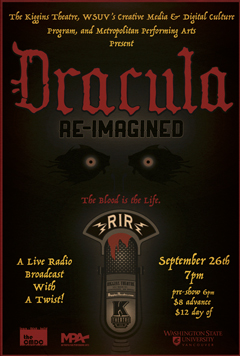
Looking for other graphics to promote this episode?
Photo Gallery
Photography by N.E.H. Photography